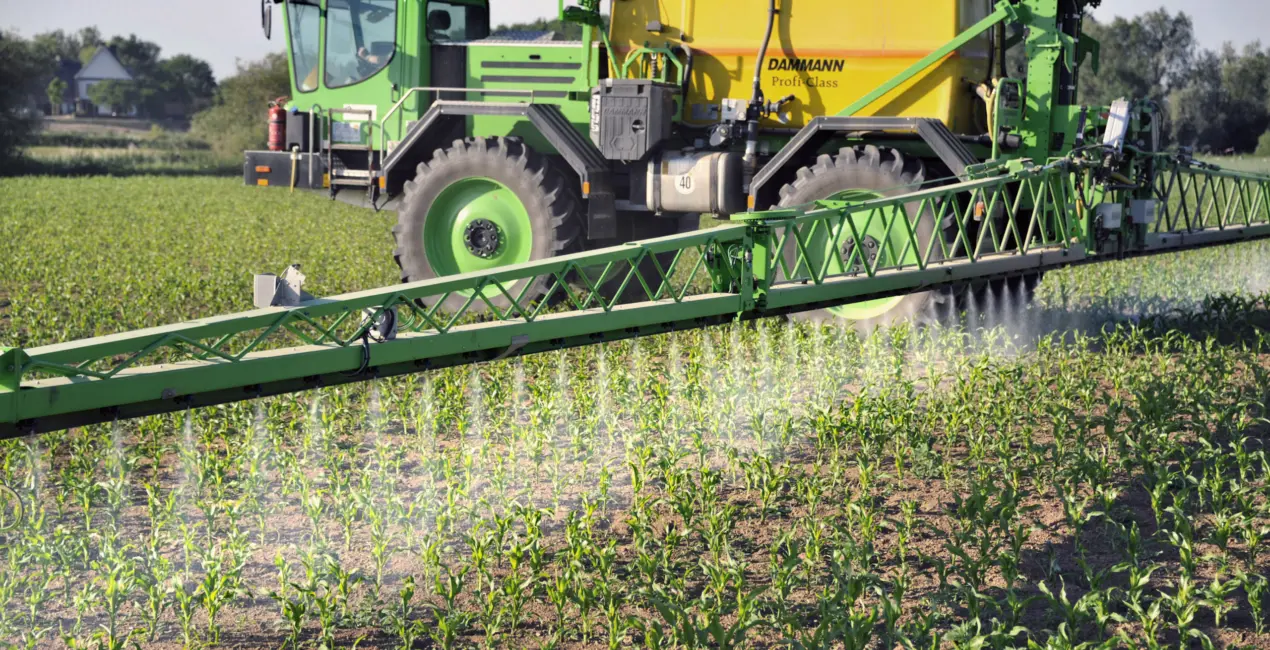
On 19 February, the European Commission presented its Vision for Agriculture and Food. It outlines the path towards a fair, competitive, and sustainable food supply by 2040 and beyond. But despite ambitions to make agriculture low-carbon and less polluting, concrete measures are missing. This is concerning because agriculture has a direct impact on the quality of drinking water sources.
Agriculture is a major source of contamination of drinking water sources, for example through nitrate and pesticide emissions. Vewin therefore calls for clear, enforceable measures to protect the quality of drinking water sources. The Commission’s agriculture vision does mention the importance of nitrate and nutrient management, but fails to present proposals for concrete measures. Instead, it awaits the evaluation report of the Nitrates Directive, expected at the end of 2025.
Commission remains superficial
The vision refers to promoting soil-health measures to improve the quality of soils and water bodies, including groundwater, in the Soil Monitoring Directive. This process is still in the trilogue phase, but so far shows little ambition. The Commission also remains vague about the link between this vision and the European Water Resilience Strategy. The agricultural sector—already today, like the drinking water sector—faces water scarcity and polluted water sources. The European Commission acknowledges this problem but remains unclear on the solution. A link is made with nature: nature credits are expected to stimulate sustainable agricultural practices and support the protection of water sources. However, since this is entirely voluntary, the question is how effective this proposal will be.
Vewin believes that the European agriculture vision must be more ambitious and concrete. It is crucial that agricultural measures contribute to achieving environmental objectives such as those of the Water Framework Directive, and specifically the targets for the quality of drinking water sources. Effective measures are needed to reduce the impact of agriculture on water quality.